
Current Rotating Exhibition

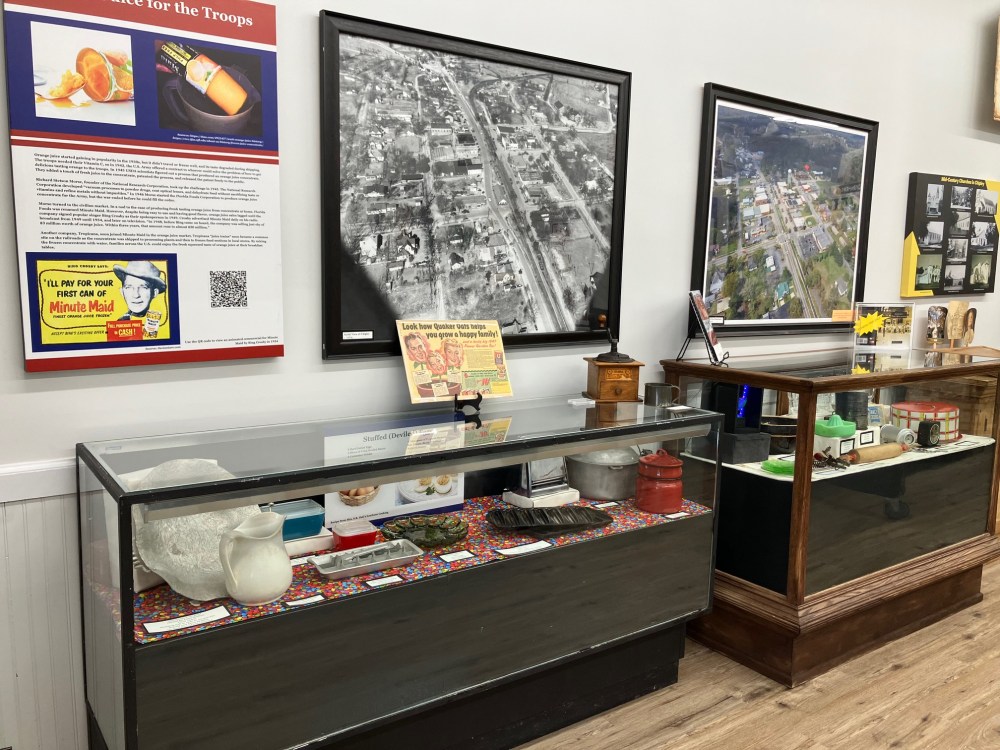
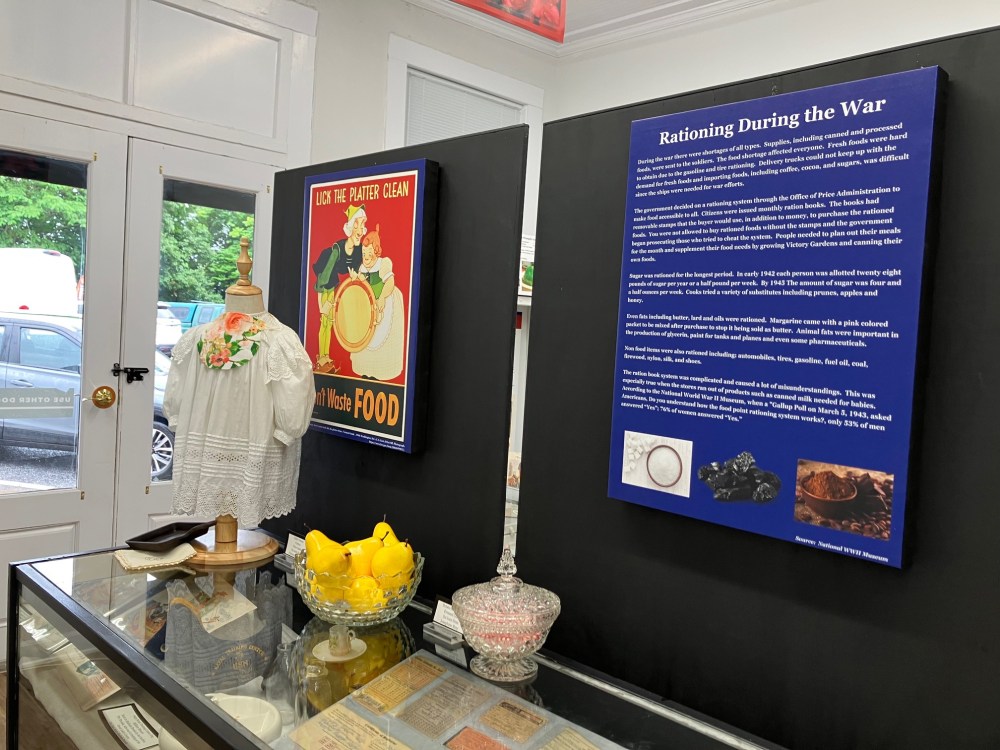
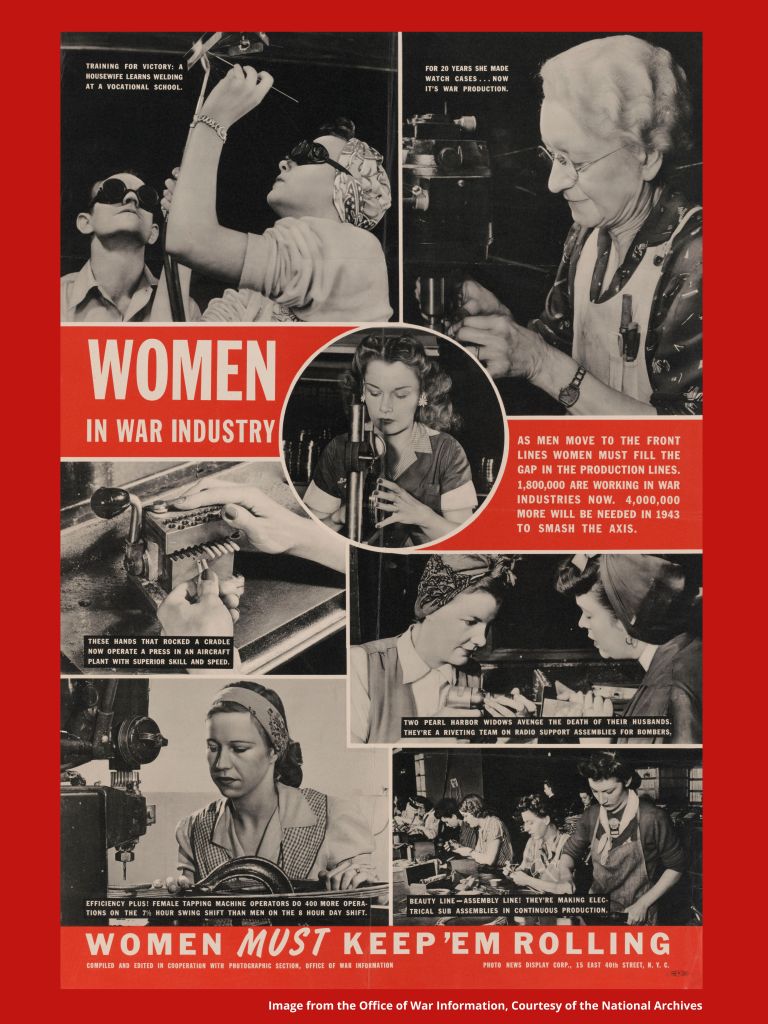
The 1940s in Harris County was a time of big change in cooking. During World War II food was rationed. Many foods were sent overseas to our soldiers. Other foods relied on transportation for distribution to local stores and with gas rationing they were delivered erratically or not at all. The Office of Price Administration distributed rationing stamps for families on May 5, 1942. Families were given ration stamps to spend along with money.Rationed foods included sugar, coffee, butter and fats, canned and frozen foods and red meat. Sugar even had its own ration stamps.
Office of Price Administration Office also created price ceilings for the stores. Each rationed food, by brand, had a cap on how much consumers would pay. The price caps changed constantly and the changes were published in the local newspapers.
People were encouraged by the government to grow Victory gardens to supplement their food from the stores.Home demonstration ladies were sent out by the counties to teach women how to can food safely. Canning the vegetables and fruit from their gardens helped to stretch their money and supply much needed food during the winter. Entire families would participate, washing and preparing the vegetables before the canning process could begin. People were also encouraged to raise chickens to supply meat and eggs. Poultry was not rationed like beef.
Appliances in kitchens were also changing and being updated. Electric refrigerators were replacing ice boxes.Electric stoves were also replacing wood fire stoves. The electric companies sent women out to show how easy these new appliances were to use.
After the war, food was sent to the bombed areas in Europe where people did not have access to any food. The war destroyed their homes, gardens and sometimes whole neighborhoods and villages.
In the United States when the war ended soldiers came home. The supermarkets started carrying frozen, canned, dehydrated and packaged foods. Although there was no longer any rationing people still kept up the traditions of canning food and raising Victory gardens.
When reading these fun recipes you will see the differences between food made during the war and after rationing was lifted.

Past Exhibitions
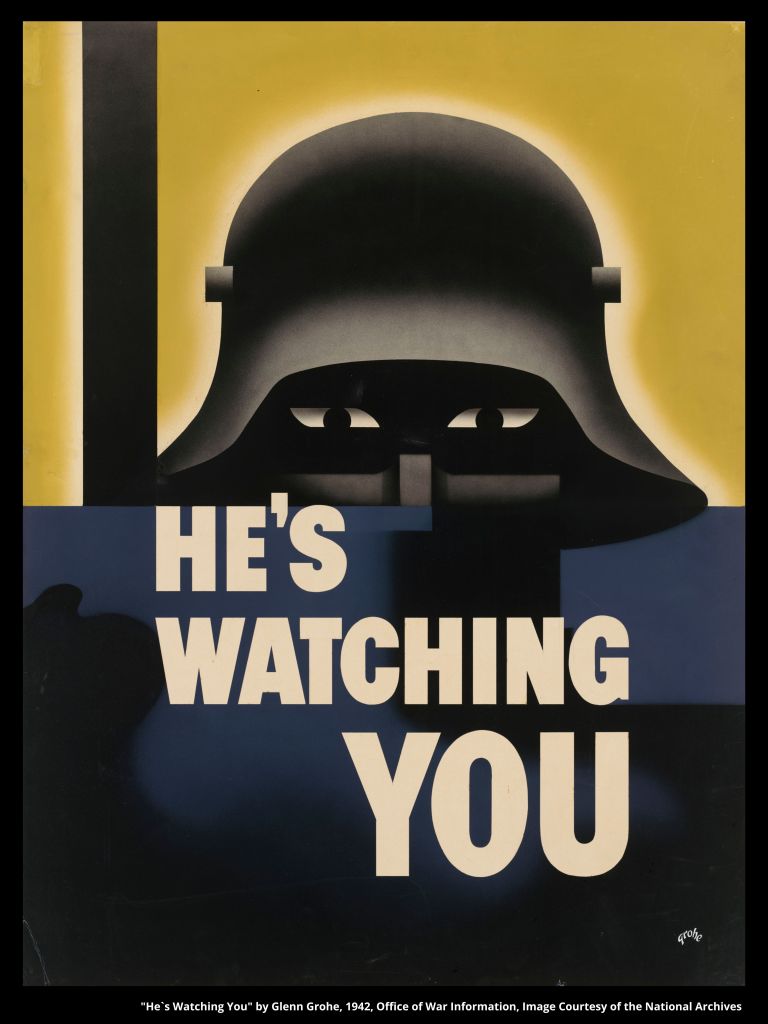
“Chipley Goes to War in WWII”

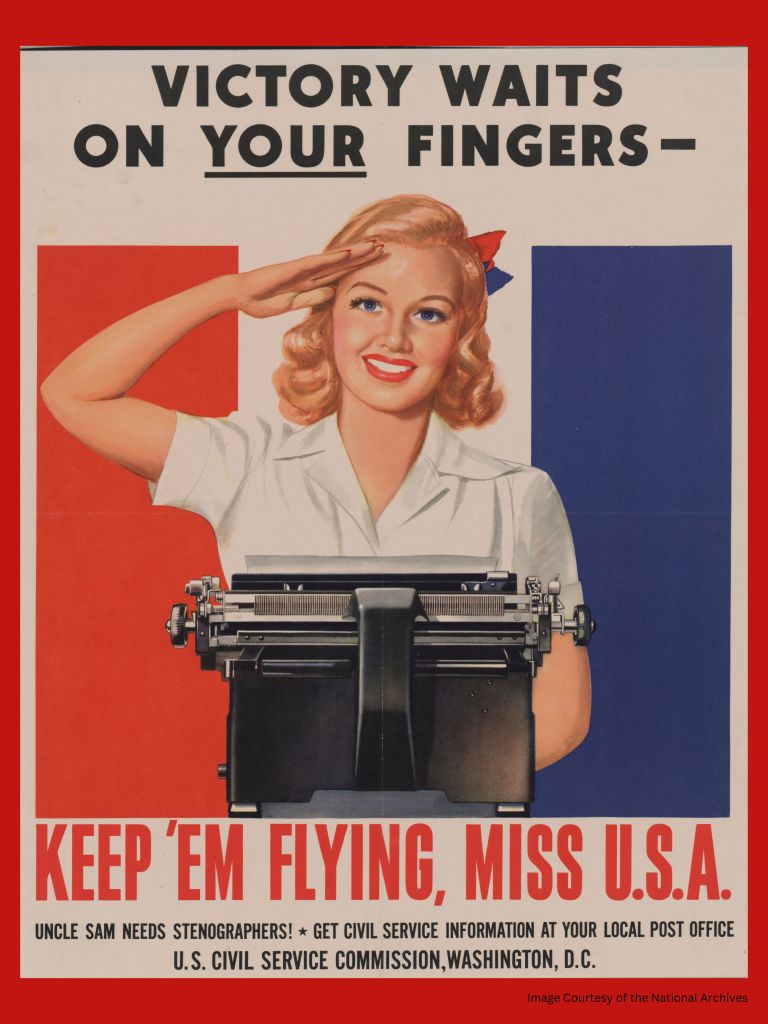
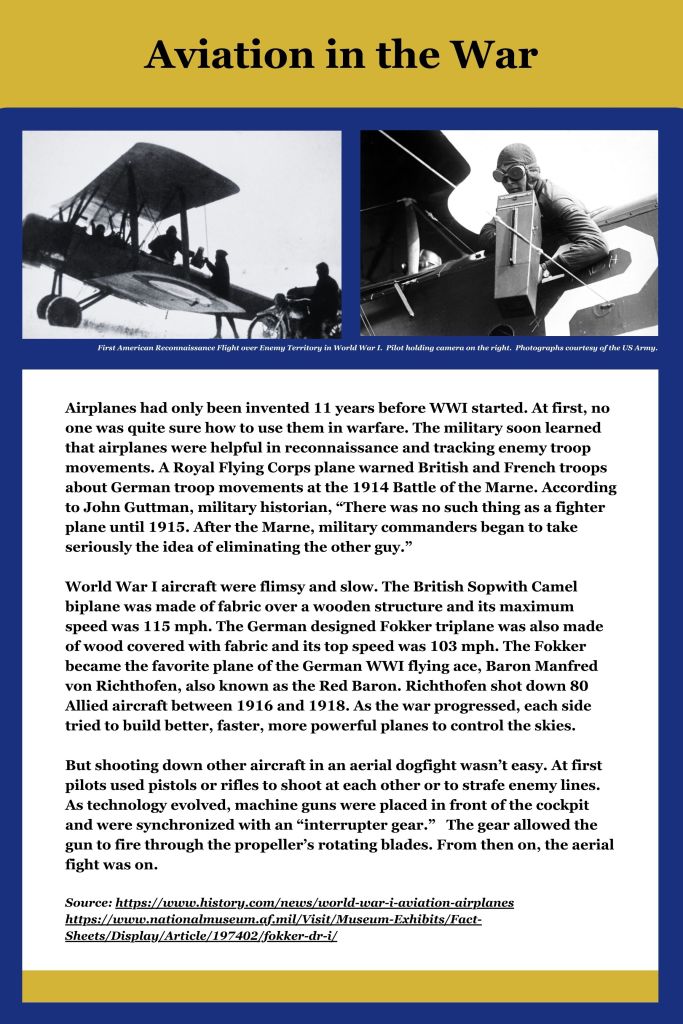
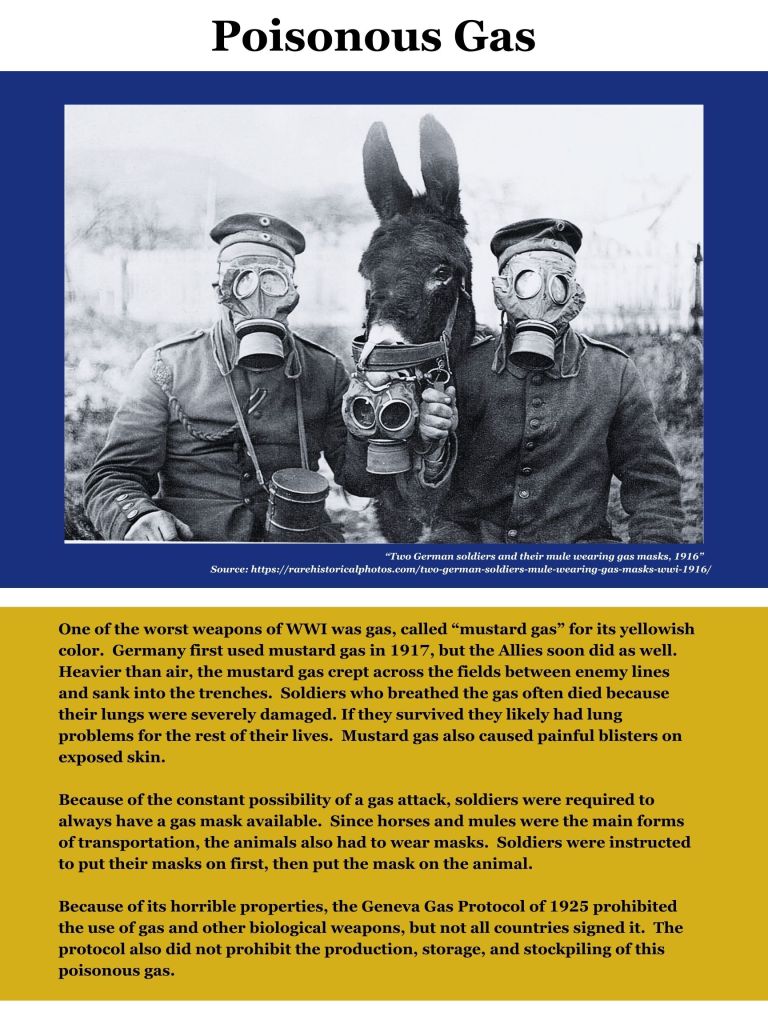
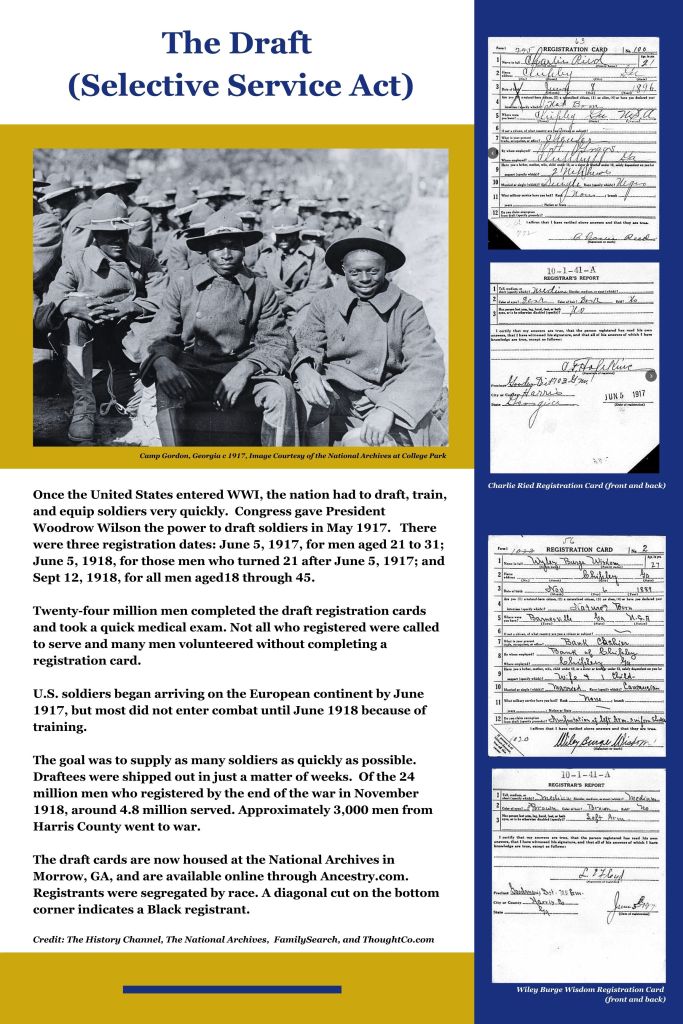
“Over There and Here at Home: Chipley in WWI” on view until March 23rd

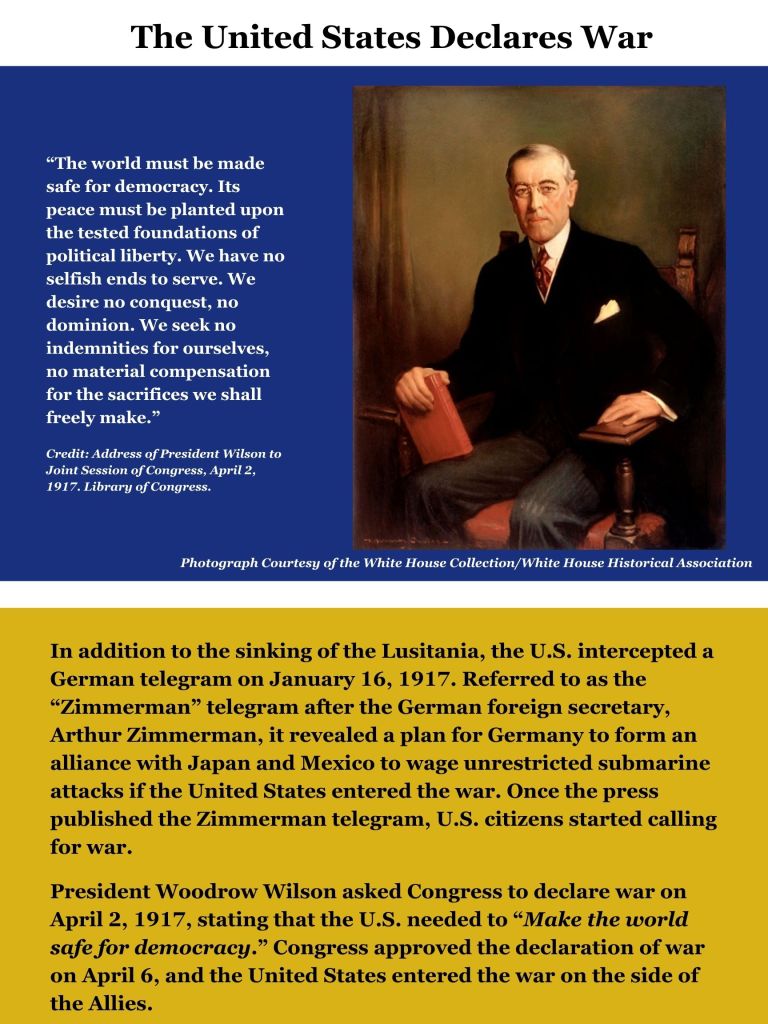
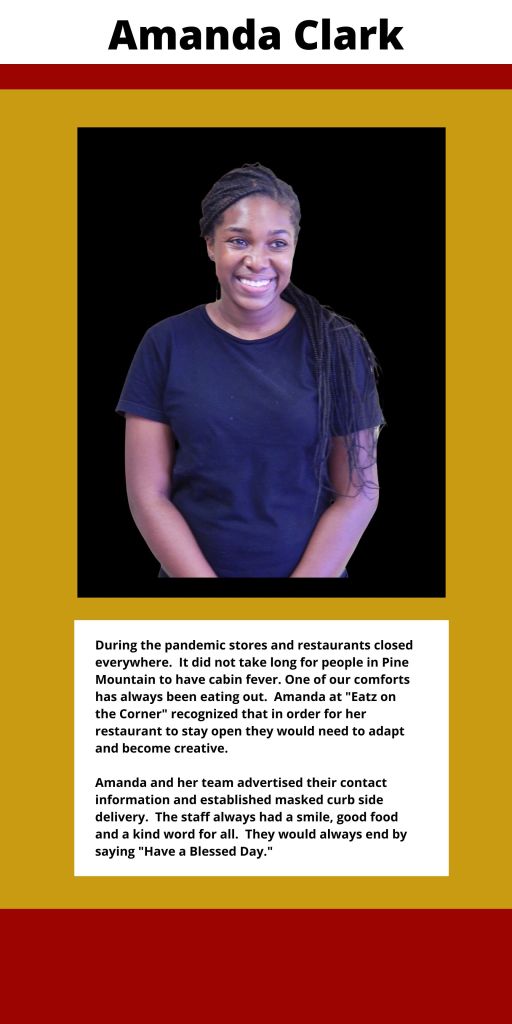
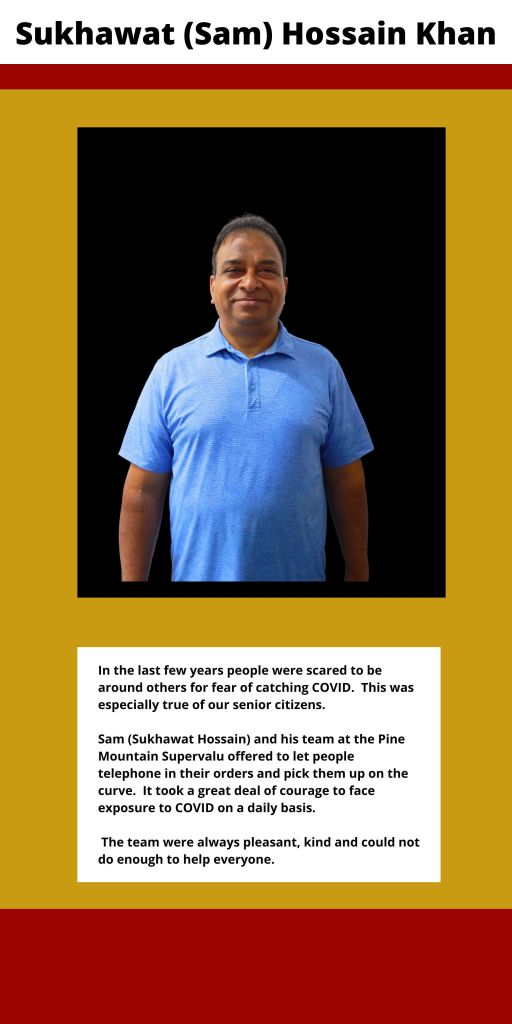
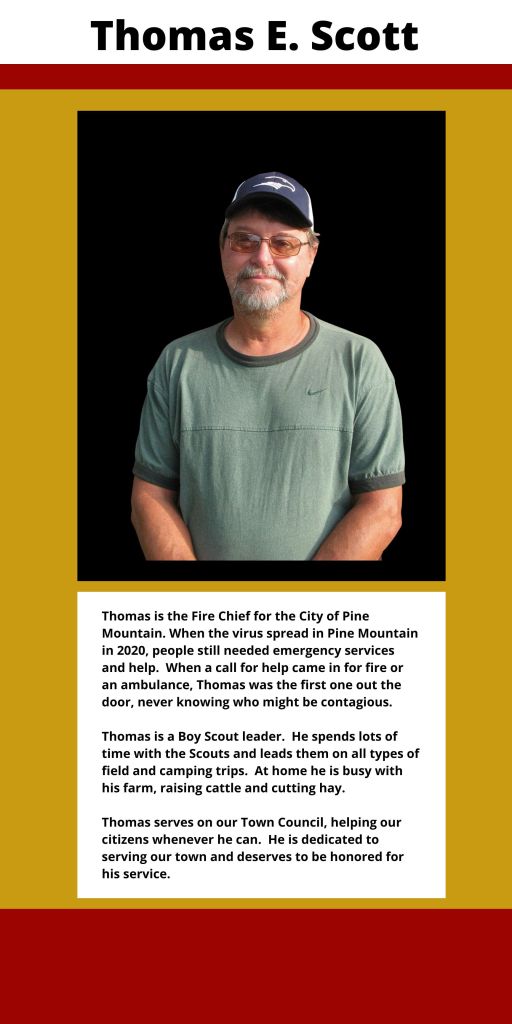
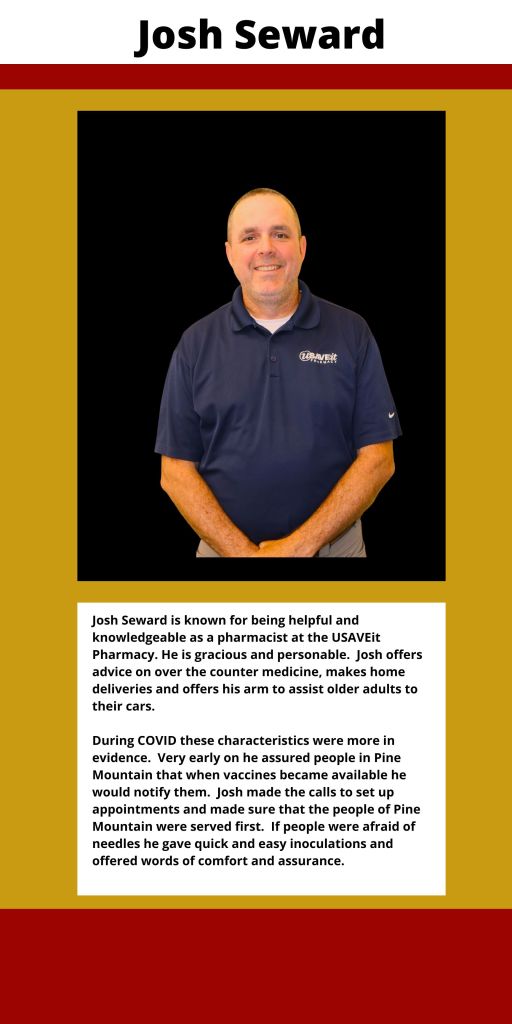
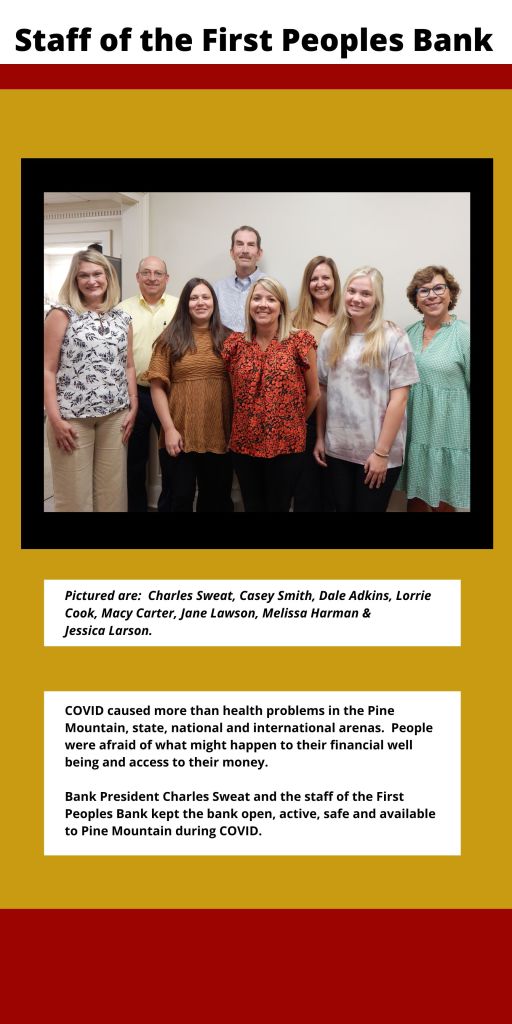
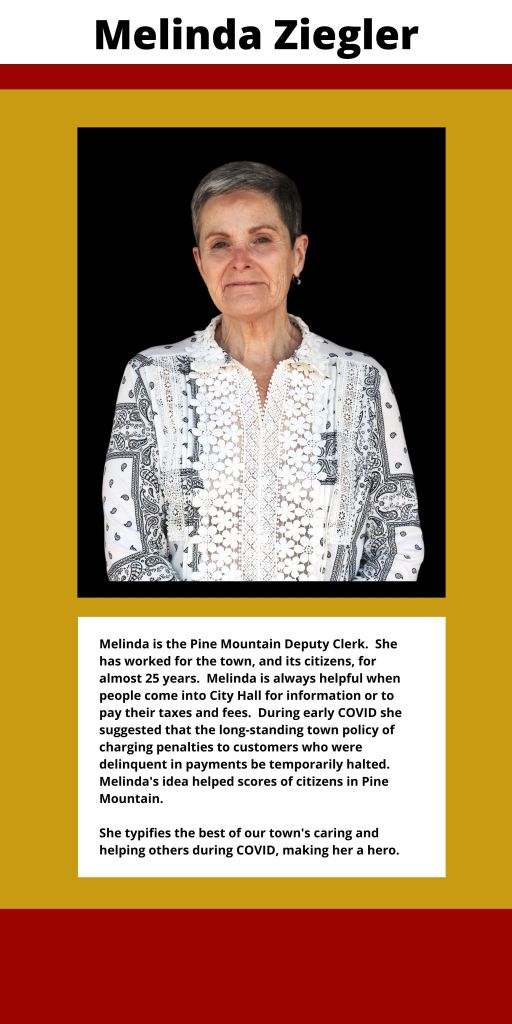
“The Heroes of COVID in Pine Mountain”

“Troup Factory Mill“
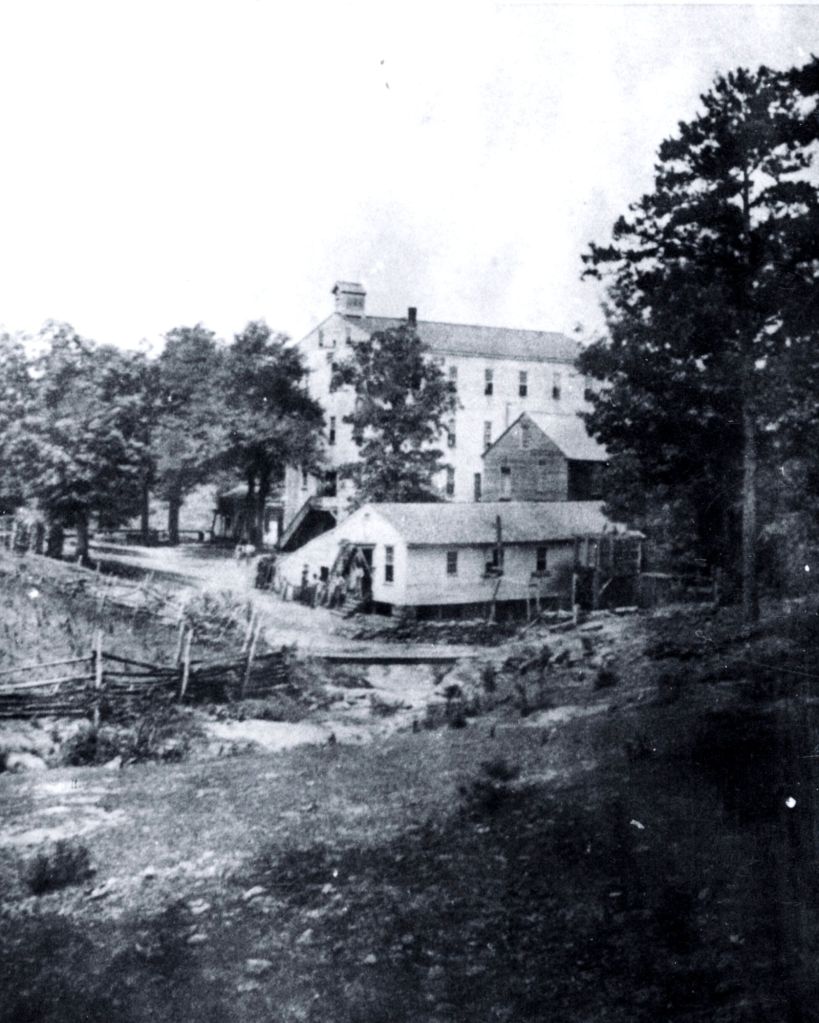
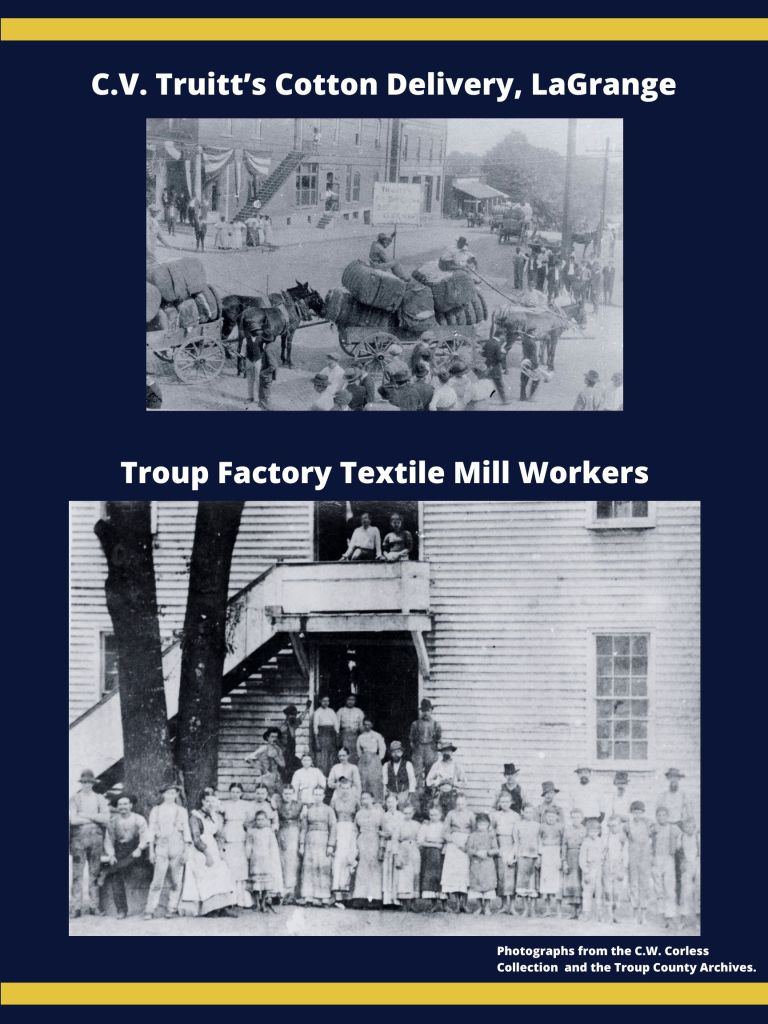

exhibition was “Troup Factory Mill” and its its sudden disappearance. This fascinating story features a four-story cotton mill, a grist mill, a distillery, a blacksmith shop, and a home to more that 500 people.
The exhibit features an in-depth historical perspective of Troup Factory Mill, a 19th century cotton mill just a short drive north of Downtown Pine Mountain and the Chipley Historical Center near the Flat Shoals Creek bridge where U. S. Hwy. 27 crosses. Often referred to by locals as “Troup Factory Hill,” most residents probably don’t realize that it refers to what was actually a mill.
The Troup Factory area was settled starting in 1827, when Ann Anderson won Lot 240 in the Georgia land lottery. She sold her land to Maxi Brooks, who – with the power of Flint Shoals Creek – built a grist mill, distillery, and wool carding business.
Brooks became partners with David Beeman, Isaac Beeman, Thomas Leslie, T. Molby, Alexander Ragland, and James Robertson forming Robertson, Leslie and Company. The partners financed the building of a four-story cotton mill, which used locally sourced cotton and became a town of over 500 people. They sold their cloth to buyers in the East. Managed by Maxi Brooks, the mill ran on water turbine power from 1827-1902 and did a good business, even winning a medal for their rough cloth.
Artifact donors included Patrick Severts, Nancy Williams, and Joanna Baxter, who all own portions of the land in reference. Severts, a local archaeologist, has done much of the excavation work to learn more about the 74-year-history of the tract. Photographs are, in part, courtesy of the Troup County Archives. An original painting by Tony Treverton was also part of the exhibit.
 Chipley Historical Center